
High Myopia Treatment in Coto de Caza, California
High Myopia — At a Glance
Severity & Type
When to See a Doctor
Schedule a comprehensive eye exam if you experience persistent symptoms.
Key Symptoms
- Blurred vision
- Floaters or flashes
- Distorted vision
- Loss of central or peripheral vision
Treatment Options
- Intravitreal injections
- Laser therapy
- Vitrectomy
- Observation
A condition affecting the retina, the light-sensitive tissue at the back of the eye.
Children in Coto de Caza may develop or experience worsening high myopia during growth years. School screenings often miss subtle refractive errors—a comprehensive exam catches what standard tests don't.
Dr. Bonakdar on High Myopia
Direct Answers from Dr. Bonakdar
Dr. Alexander Bonakdar at EyeCare Center of Orange County provides expert high myopia diagnosis and treatment for patients in Coto de Caza and throughout Orange County. With over 35 years of clinical experience and advanced diagnostic technology, each patient receives a personalized treatment plan based on their specific condition severity and lifestyle needs.
What is myopia management?
Myopia management is a set of treatments designed to slow down the worsening of nearsightedness in children. Instead of just correcting vision with stronger glasses each year, these treatments actively slow the eye's growth to reduce the final level of myopia.
At what age should myopia management start?
Myopia management is most effective when started between ages 6 and 12, during the years when the eye is growing fastest. However, it can still benefit older children and teenagers whose myopia is still progressing.
What happens if childhood myopia is not treated?
Without management, childhood myopia typically gets worse every year until the early twenties. High myopia significantly increases the risk of serious eye conditions later in life, including retinal detachment, glaucoma, cataracts, and myopic macular degeneration.
Does myopia management really work?
Clinical studies show that myopia management treatments can slow the progression of nearsightedness by 50 to 60 percent. Ortho-K lenses, low-dose atropine drops, and specialty soft lenses have all been proven effective in large-scale research trials.
What is the best myopia treatment for children?
The best treatment depends on your child's age, prescription, and lifestyle. Ortho-K lenses are worn overnight and provide clear vision during the day without glasses. Low-dose atropine eye drops are simple to use. Your eye doctor will recommend the best approach for your child.
What are the symptoms of High Myopia?
Parents and families in Coto de Caza should watch for these symptoms in both children and adults, as early detection significantly improves treatment outcomes:
- Blurred vision
- Floaters or flashes
- Distorted vision
- Loss of central or peripheral vision
What happens if high myopia is not treated?
Without proper diagnosis and treatment, high myopia can lead to:
- Rapid increase in nearsightedness throughout childhood
- Higher risk of retinal detachment in adulthood
- Increased likelihood of glaucoma and cataracts later in life
- Greater dependence on thick corrective lenses
- Potential for myopic macular degeneration causing permanent vision loss
- Reduced career options that require uncorrected vision standards
How is High Myopia treated?
We work with Coto de Caza families to select treatments that fit both the patient's needs and the family's schedule, with clear instructions parents and patients can follow at home:
Standard Care vs. Specialized Treatment for High Myopia
| Aspect | Standard Approach | Specialized Treatment |
|---|---|---|
| Goal | Correct current vision only | Slow myopia progression by 50-60% |
| Long-term Risk | Unchecked myopia progression | Reduced risk of retinal detachment and glaucoma |
| Methods | Regular glasses or contacts | Ortho-K, atropine drops, or specialty lenses |
| Best Started | Any age | Ages 6-12 for maximum effectiveness |
| Monitoring | Annual eye exam | Axial length measurement every 6 months |
High Myopia FAQs for Coto de Caza Patients
Common questions from Coto de Caza patients about our eye care services
Have more questions? Call us at (949) 323-3600
We don't take Medi-Cal
High Myopia Care for Coto de Caza Residents
Coto de Caza residents experiencing high myopia have access to the full spectrum of refractive care at our practice. We serve Coto de Caza families by making appointments efficient and educational, ensuring parents understand their child's diagnosis and every patient leaves with a clear care plan. With advanced corneal mapping and wavefront diagnostics, Dr. Bonakdar creates precise prescriptions that account for your unique visual demands—whether for driving, reading, or screen work. We evaluate candidates for glasses, specialty contacts, ortho-K, and surgical co-management to find the approach that best matches your lifestyle and visual goals.
About Coto de Caza
Exclusive guard-gated community with luxury amenities and equestrian facilities
Population: 15,000+
Languages Spoken in Coto de Caza
Our practice serves the diverse Coto de Caza community. We provide care to patients who speak:
Eye Health Priorities for Coto de Caza
- Pediatric eye exams and vision screening
- Myopia control and management
- Sports vision for young athletes
- Digital eye strain from screens
- Learning-related vision problems
Conveniently Located Near Coto de Caza Landmarks
Our Orange County practice is easily accessible for Coto de Caza patients living near:
Getting to Our Office from Coto de Caza
Coto de Caza patients typically reach our Santa Ana office via the 5 Freeway in approximately 30 minutes. Free on-site parking is available in our building.
801 N Tustin Ave, Ste 404, Santa Ana, CA 92705 — Get DirectionsCoto de Caza Neighborhoods We Serve
- Coto de Caza community
Zip codes: 92679
Why Coto de Caza Patients Choose EyeCare Center for High Myopia
Retinal Imaging Technology
Widefield retinal photography and OCT scanning detect high myopia changes that may not be visible during standard examination.
Early Detection Focus
Retinal conditions are often treatable when caught early—our comprehensive exams screen for pathology before symptoms appear.
Retinal Specialist Network
When Coto de Caza patients need retinal intervention, we coordinate seamlessly with fellowship-trained retinal surgeons.
Ongoing Monitoring
Structured follow-up schedules ensure high myopia progression is tracked and treatment adjusted as needed.
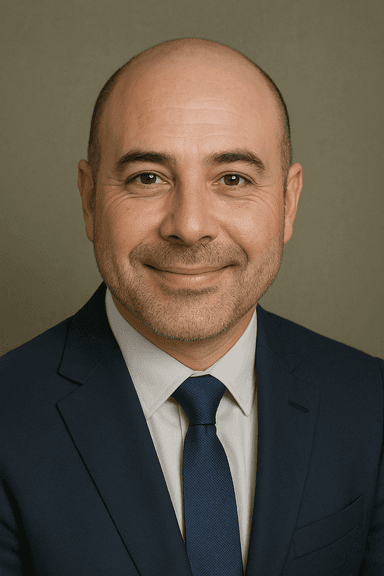
Your High Myopia Specialist in Coto de Caza
Dr. Alexander Bonakdar is a California-licensed Optometrist (O.D.) with over 35 years of experience treating high myopia and complex eye conditions. A graduate of the Illinois College of Optometry, he has helped over 10,000 patients achieve and maintain clear vision.
Patient Stories from Coto de Caza
See why your neighbors in Coto de Caza trust us with their vision.
Comprehensive Exam
"Not a fan of getting my eyes checked but the receptionist and Dr. were very nice and eased my anxiety."
Comprehensive Exam
"I came back for my yearly visit and had a great experience as always."
Schedule Your High Myopia Consultation
Expert diagnosis and treatment for Coto de Caza and Orange County residents.