Parents researching myopia control lenses will inevitably find two names: Hoya MiyoSmart and Essilor Stellest. Both are spectacle lenses engineered to slow the progression of nearsightedness in children. Both have published clinical trial data. But there is one critical difference that matters more than any efficacy number: only one of them is available in the United States.
The Short Answer
Stellest (Essilor) received FDA De Novo marketing authorization on September 25, 2025 — the first spectacle lens authorized by the FDA for slowing myopia progression. It is available at authorized providers across the US, including our office.
MiyoSmart (Hoya) is not FDA-authorized and is not sold in the United States. It is available in parts of Asia, Europe, Canada, and other markets, but cannot be legally dispensed in the US.
How Each Lens Works
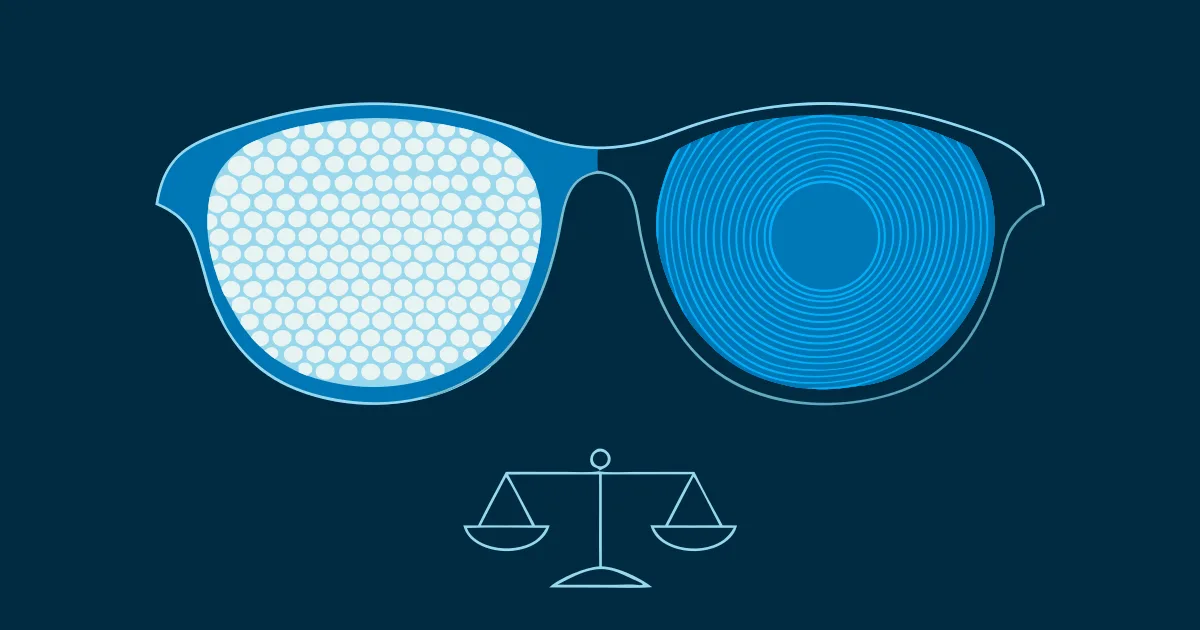
Both lenses use a similar conceptual approach — microscopic optical elements on the lens surface that create peripheral myopic defocus — but the engineering is different:
| Feature | Stellest (Essilor) | MiyoSmart (Hoya) |
|---|---|---|
| Technology | H.A.L.T. — 1,021 aspherical lenslets in concentric rings | D.I.M.S. — honeycomb array of 396 defocus segments |
| US regulatory status | FDA De Novo authorized (Sept 2025) | Not FDA-authorized, not sold in US |
| Key clinical trial | FIN-3101 (US, 9 sites, RCT) | Lam 2020 (Hong Kong, RCT) |
| Myopia slowing (SER) | 71% over 2 years | 52% over 2 years |
| Axial elongation reduction | 53% over 2 years | 62% over 2 years |
| Authorized ages | 6-12 at initiation | N/A (not US-authorized) |
| Price (US) | $450/pair, lenses only (frames and add-ons additional) | Not available |
Clinical Evidence Compared
Stellest: The US pivotal trial (FIN-3101) enrolled patients across 9 US sites in a randomized controlled design. Over 2 years, children wearing Stellest showed 71% less myopia progression in spherical equivalent and 53% less axial elongation compared to single-vision controls. Extended data from non-US trials shows sustained benefit through 4 and 6 years of wear.
MiyoSmart: The primary evidence is the Lam 2020 study published in the British Journal of Ophthalmology — a 2-year RCT conducted in Hong Kong. It showed 52% less SER progression and 62% less axial elongation. More recently, Hoya has published data on an updated design called MiyoSmart iQ (2026 trial data, non-US).
Can you compare them directly? Not easily. The trials differed in population (US vs Hong Kong), study design details, and baseline characteristics. Both show clinically meaningful slowing of myopia — but direct head-to-head comparison from the published data is not scientifically valid.
Why MiyoSmart Is Not Available in the US
FDA authorization for optical devices requires US-based clinical trial data and a regulatory submission. As of 2026, Hoya has not completed the FDA pathway for MiyoSmart. This does not mean the lens is unsafe or ineffective — it means it has not undergone the specific US regulatory review process. Families sometimes ask about purchasing MiyoSmart from international suppliers, but dispensing a non-FDA-authorized medical device in the US is not legal and we cannot recommend it.
What This Means for Your Family
If your child needs myopia-control spectacles today, Stellest is the FDA-authorized option — and it has strong clinical evidence from a US trial. We are an authorized Stellest provider and include it as part of our comprehensive myopia management program.
Stellest is one of several evidence-based myopia treatments we offer. Depending on your child's age, prescription, and lifestyle, other options include MiSight 1 day contacts (FDA-approved for ages 8-12), orthokeratology (overnight lenses for glasses-free days), and low-dose atropine drops. We discuss all options during the myopia evaluation and help you choose the best fit.
To schedule a myopia evaluation, call (949) 323-3600.
¿Tiene preguntas sobre su salud visual?
El Dr. Alexander Bonakdar y su equipo están aquí para ayudarle. Agende una consulta para hablar sobre sus necesidades específicas.