Accommodative Spasm Treatment in Huntington Beach, California
Accommodative Spasm — At a Glance
Severity & Type
When to See a Doctor
Schedule a comprehensive eye exam if you experience persistent symptoms.
Key Symptoms
- Fluctuating blurred distance vision, especially after near work
- Frontal or brow-area headaches
- Eye strain or eye pain
- Difficulty relaxing focus after reading or screen use
- Occasionally an intermittent crossed-eye appearance
Treatment Options
- Cycloplegic eye drops (short-term, to break the spasm)
- Cycloplegic refraction to determine the true prescription
- Vision-hygiene changes (20-20-20 rule, reduced continuous near work)
- Reading glasses or bifocals to reduce focusing demand
- Vision therapy for recurring or binocular-vision-related cases
Accommodative spasm — also called ciliary muscle spasm or spasm of the near reflex — occurs when the ciliary muscle inside the eye contracts involuntarily and fails to relax back to its resting state after prolonged near work. Because ciliary muscle contraction is what allows the eye's natural lens to focus up close, a muscle that stays locked in this contracted state produces pseudomyopia: the eye behaves as if it is nearsighted even though its actual, uncontracted refractive error may be normal or only mildly myopic. Patients typically describe fluctuating blur at distance that comes and goes throughout the day, difficulty refocusing quickly between near and far objects, frontal or brow-area headaches, eye strain, and sometimes mild eye discomfort or a pulling sensation. The condition is most common in students, office workers, and anyone doing sustained close-up screen or reading work without regular breaks, since prolonged near focus is the trigger that overworks the ciliary muscle. Accommodative spasm can also occur alongside — and sometimes mimic — accommodative excess, and can be associated with convergence spasm, which produces an intermittent crossed-eye appearance (a form of esotropia) along with the blur. The single most important diagnostic step is cycloplegic refraction: eye drops that temporarily paralyze the ciliary muscle so it cannot contract, allowing the doctor to measure the eye's true, unspasmed refractive error. This is the key differentiator between accommodative spasm and true myopia — if the prescription measured with the ciliary muscle relaxed is significantly lower than the prescription measured normally, the difference is accommodative spasm rather than actual nearsightedness, and prescribing a full myopic correction based on the spasmed measurement would overcorrect the patient. Management starts with breaking the spasm using cycloplegic drops on a short-term basis, combined with vision-hygiene changes such as scheduled breaks from near work (the 20-20-20 rule), reduced continuous screen time, and proper reading distance and lighting. For patients whose spasm keeps recurring, or where an underlying binocular vision imbalance is contributing, in-office vision therapy that retrains flexible, comfortable focusing between distances is often added. Because the symptoms overlap so closely with true myopia and with eye-strain-related headache, a comprehensive exam including cycloplegic refraction is the only reliable way to tell them apart.
Huntington Beach's bright coastal environment intensifies symptoms of accommodative spasm. Glare from ocean water and sand amplifies visual disturbances, making accurate correction especially important for beach-active residents.
Dr. Bonakdar on Accommodative Spasm
Direct Answers from Dr. Bonakdar
Dr. Alexander Bonakdar at EyeCare Center of Orange County provides expert accommodative spasm diagnosis and treatment for patients in Huntington Beach and throughout Orange County. With over 35 years of clinical experience and advanced diagnostic technology, each patient receives a personalized treatment plan based on their specific condition severity and lifestyle needs.
What is Accommodative Spasm?
Accommodative spasm — also called ciliary muscle spasm or spasm of the near reflex — occurs when the ciliary muscle inside the eye contracts involuntarily and fails to relax back to its resting state after prolonged near work. Because ciliary muscle contraction is what allows the eye's natural lens to focus up close, a muscle that stays locked in this contracted state produces pseudomyopia: the eye behaves as if it is nearsighted even though its actual, uncontracted refractive error may be normal or only mildly myopic. Patients typically describe fluctuating blur at distance that comes and goes throughout the day, difficulty refocusing quickly between near and far objects, frontal or brow-area headaches, eye strain, and sometimes mild eye discomfort or a pulling sensation. The condition is most common in students, office workers, and anyone doing sustained close-up screen or reading work without regular breaks, since prolonged near focus is the trigger that overworks the ciliary muscle. Accommodative spasm can also occur alongside — and sometimes mimic — accommodative excess, and can be associated with convergence spasm, which produces an intermittent crossed-eye appearance (a form of esotropia) along with the blur. The single most important diagnostic step is cycloplegic refraction: eye drops that temporarily paralyze the ciliary muscle so it cannot contract, allowing the doctor to measure the eye's true, unspasmed refractive error. This is the key differentiator between accommodative spasm and true myopia — if the prescription measured with the ciliary muscle relaxed is significantly lower than the prescription measured normally, the difference is accommodative spasm rather than actual nearsightedness, and prescribing a full myopic correction based on the spasmed measurement would overcorrect the patient. Management starts with breaking the spasm using cycloplegic drops on a short-term basis, combined with vision-hygiene changes such as scheduled breaks from near work (the 20-20-20 rule), reduced continuous screen time, and proper reading distance and lighting. For patients whose spasm keeps recurring, or where an underlying binocular vision imbalance is contributing, in-office vision therapy that retrains flexible, comfortable focusing between distances is often added. Because the symptoms overlap so closely with true myopia and with eye-strain-related headache, a comprehensive exam including cycloplegic refraction is the only reliable way to tell them apart.
How is Accommodative Spasm treated?
Treatment options include Cycloplegic eye drops (short-term, to break the spasm), Cycloplegic refraction to determine the true prescription, Vision-hygiene changes (20-20-20 rule, reduced continuous near work), Reading glasses or bifocals to reduce focusing demand. The best approach depends on your specific diagnosis, severity, and lifestyle needs.
What are the symptoms of Accommodative Spasm?
Common symptoms include Fluctuating blurred distance vision, especially after near work, Frontal or brow-area headaches, Eye strain or eye pain, Difficulty relaxing focus after reading or screen use, Occasionally an intermittent crossed-eye appearance. If you experience any of these, a comprehensive eye examination can determine the cause.
What are the symptoms of Accommodative Spasm?
Huntington Beach residents may notice symptoms more acutely during outdoor activities—ocean glare, wind, and sand can amplify visual disturbances and discomfort:
- Fluctuating blurred distance vision, especially after near work
- Frontal or brow-area headaches
- Eye strain or eye pain
- Difficulty relaxing focus after reading or screen use
- Occasionally an intermittent crossed-eye appearance
How is Accommodative Spasm treated?
For Huntington Beach's coastal residents, we consider your active outdoor lifestyle when recommending treatments—ensuring solutions work for beach activities, water sports, and sun exposure:
Accommodative Spasm FAQs for Huntington Beach Patients
Common questions from Huntington Beach patients about our eye care services
Have more questions? Call us at (949) 323-3600
We don't take Medi-Cal
Accommodative Spasm Care for Huntington Beach Residents
Huntington Beach residents experiencing accommodative spasm have access to the full spectrum of refractive care at our practice. Living in Huntington Beach's coastal environment adds unique considerations—UV exposure, wind, and salt air can influence both symptoms and treatment choices. With advanced corneal mapping and wavefront diagnostics, Dr. Bonakdar creates precise prescriptions that account for your unique visual demands—whether for driving, reading, or screen work. We evaluate candidates for glasses, specialty contacts, ortho-K, and surgical co-management to find the approach that best matches your lifestyle and visual goals.
About Huntington Beach
Beach lifestyle community with active outdoor culture
Population: 198,000+
Languages Spoken in Huntington Beach
Our practice serves the diverse Huntington Beach community. We provide care to patients who speak:
Eye Health Priorities for Huntington Beach
- UV damage and photokeratitis from ocean glare
- Pterygium (surfer's eye) from wind and sun exposure
- Dry eye from salt air and coastal winds
- Sports vision needs for water activities
Conveniently Located Near Huntington Beach Landmarks
Our Orange County practice is easily accessible for Huntington Beach patients living near:
Getting to Our Office from Huntington Beach
Huntington Beach patients typically reach our Santa Ana office via the 405 Freeway in approximately 20 minutes. Free on-site parking is available in our building.
801 N Tustin Ave, Ste 404, Santa Ana, CA 92705 — Get DirectionsHuntington Beach Neighborhoods We Serve
- Downtown Huntington Beach
- Huntington Harbour
- Seacliff
- Bella Terra
Zip codes: 92646, 92647, 92648, 92649
Why Huntington Beach Patients Choose EyeCare Center for Accommodative Spasm
35+ Years of Experience
Dr. Alexander Bonakdar has served Orange County since 1991, with extensive experience treating accommodative spasm.
Advanced Diagnostics
OCT imaging, corneal topography, visual field testing, and retinal photography for precise diagnosis.
Insurance Accepted
VSP, EyeMed, Medicare, and most major vision and medical insurance plans. We do not accept Medi-Cal.
Convenient for Huntington Beach
Open Monday through Friday 9 AM – 6 PM with easy access from Huntington Beach and surrounding communities.
Your Accommodative Spasm Specialist in Huntington Beach
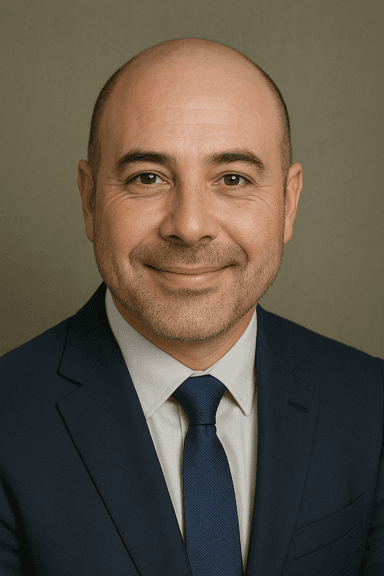
Dr. Alexander Bonakdar is a California-licensed Optometrist (O.D.) with over 35 years of experience treating accommodative spasm and complex eye conditions. A graduate of the Illinois College of Optometry, he has helped over 10,000 patients achieve and maintain clear vision.
Patient Stories from Huntington Beach
See why your neighbors in Huntington Beach trust us with their vision.
Comprehensive Exam
"Not a fan of getting my eyes checked but the receptionist and Dr. were very nice and eased my anxiety."
Comprehensive Exam
"I came back for my yearly visit and had a great experience as always."
Schedule Your Accommodative Spasm Consultation
Expert diagnosis and treatment for Huntington Beach and Orange County residents.