

Corneal Disease Management & Specialty Lens Care in Orange County
A cornea specialist diagnoses and manages diseases of the cornea — the clear front window of the eye. Dr. Alexander Bonakdar is an optometrist (O.D.), not a corneal surgeon: for over 35 years he has provided the non-surgical side of corneal care — keratoconus management, specialty and scleral lens fitting, and corneal surface disease treatment — co-managing with Orange County corneal surgeons when surgery is needed.
Corneal Conditions We Manage
Most corneal disease is managed medically and optically — not surgically. These are the conditions we diagnose and treat every week:
Keratoconus
Progressive corneal thinning and bulging — the largest specialty of this practice since 1991.
Learn moreCorneal Ulcers
An infected cornea is urgent — call the same day; do not wait for an appointment slot.
Learn moreRecurrent Corneal Erosion
Painful episodes when the surface layer fails to anchor. Managed with therapy and specialty lenses.
Learn moreCorneal Abrasions
Scratches on the cornea — same-day care to prevent infection and scarring.
Learn moreFuchs' Dystrophy
Progressive endothelial cell loss causing corneal swelling — monitored with imaging; surgical referral when indicated.
Learn moreRK Complications
Fluctuating vision decades after radial keratotomy — a referral-center specialty of this practice.
Learn morePost-LASIK Problems
Ectasia, halos, and dry eye after LASIK — managed without more surgery.
Learn morePterygium
Surface growth monitoring, irritation management, and surgical referral when it threatens vision.
Learn moreCorneal Surface Disease
Chronic dryness damages the cornea itself — treated at the root in our dry eye clinic.
Learn moreNon-Surgical Corneal Treatments
Scleral Lens Fitting
Custom lenses that vault over the damaged cornea — often 20/20 vision for corneas glasses cannot correct.
Keratoconus Treatment
Complete keratoconus program: topography, progression monitoring, specialty lenses, cross-linking co-management.
Cross-Linking Co-Management
The FDA-approved procedure that halts keratoconus, performed by an ophthalmic surgeon — we handle candidacy, referral, and aftercare.
Post-Surgical Lens Rehabilitation
Specialty lenses that restore vision after RK, LASIK complications, or corneal transplant.
Optometrist or Corneal Surgeon — Who Do You Need?
Both are cornea specialists; they do different jobs. Knowing the difference saves you months of misdirected appointments.
See Dr. Bonakdar (corneal disease management) for:
- Keratoconus diagnosis, monitoring, and vision correction
- Scleral or specialty contact lens fitting for irregular corneas
- Vision problems after RK, LASIK, or corneal transplant
- Recurrent erosions, chronic surface disease, dry-eye-related damage
- Long-term monitoring and everything before/after surgery
You need a corneal surgeon (MD) for:
- Corneal transplants (DMEK, DSAEK, PK)
- Corneal cross-linking procedures
- Surgical removal of pterygium or corneal scarring
- Emergency perforation or severe infectious ulcers
When your cornea needs surgery, we refer you to fellowship-trained corneal surgeons we have worked with for decades — and we manage your care before and after the procedure. You keep one doctor who knows your eyes for life.
Surgical Co-Management
For cross-linking, transplants, and other corneal procedures, we coordinate directly with Orange County corneal surgeons: pre-operative workups, referral with full imaging, and post-operative care including specialty lens rehabilitation once the eye has healed. Most vision restoration after corneal surgery happens in the months after the procedure — that is our specialty.
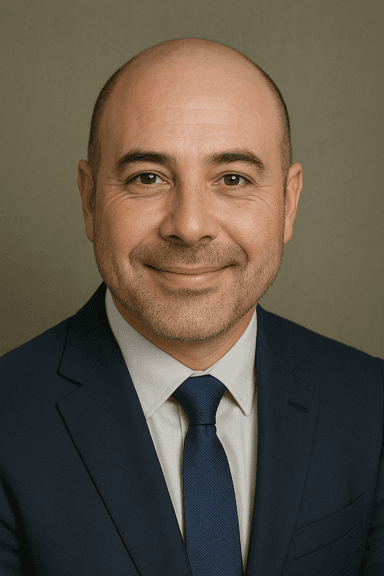
Your Corneal Disease Specialist in Orange County
Dr. Alexander Bonakdar is a California-licensed Optometrist (O.D.) with over 35 years of experience treating corneal disease and complex eye conditions. A graduate of the Illinois College of Optometry, he has helped over 10,000 patients achieve and maintain clear vision.
Cornea Specialist FAQs
What is a cornea specialist?
A cornea specialist is an eye doctor with focused expertise in diseases of the cornea — the clear front surface of the eye. This includes both corneal surgeons (ophthalmologists who perform transplants and cross-linking) and medical/optical corneal specialists like Dr. Bonakdar, an optometrist who has managed corneal disease, keratoconus, and specialty lens care for over 35 years. Most corneal conditions are managed without surgery.
Is Dr. Bonakdar an ophthalmologist or an optometrist?
Dr. Alexander Bonakdar is a California-licensed optometrist (O.D.) — not a surgeon. His practice focuses on the non-surgical side of corneal care: diagnosis, keratoconus management, scleral and specialty lens fitting, and co-management with fellowship-trained corneal surgeons when a procedure is needed. Patients typically see him for everything before and after surgery, and for the majority of corneal conditions that never need surgery at all.
Do I need a referral to see a cornea specialist?
No referral is needed. You can book directly, and most vision and medical insurance plans cover corneal evaluations — including VSP, EyeMed, and Medicare. If your condition turns out to need a surgeon, we arrange that referral for you with complete imaging and records.
What tests does a corneal evaluation include?
A complete corneal workup includes corneal topography (a 3D map of the corneal shape), slit-lamp examination, and — when indicated — pachymetry (thickness measurement) and anterior segment imaging. These tests detect keratoconus and other corneal disease years before routine exams catch them.
How much does seeing a cornea specialist cost?
Corneal evaluations are typically billed to medical or vision insurance as a medical office visit. We accept VSP, EyeMed, Medicare, and most major plans (we do not accept Medi-Cal), and we quote costs before any testing. Specialty lens fitting costs vary by lens type — see our contact lens cost guide, or call for a estimate for your specific condition.
Can keratoconus be treated without surgery?
Yes — most keratoconus patients never need a corneal transplant. Corneal cross-linking (a minimally invasive procedure) halts progression, and scleral contact lenses restore functional vision at any stage of the disease. Surgery is reserved for advanced cases. Early detection with corneal topography gives you the most options.
Concerned About Your Cornea?
Same-week appointments. Corneal topography and diagnostic imaging at every corneal evaluation.