
Nonexudative (Dry) Age-Related Macular Degeneration Treatment in Fullerton, California
Nonexudative (Dry) Age-Related Macular Degeneration — At a Glance
Severity & Type
When to See a Doctor
Schedule an appointment promptly. Early treatment significantly improves outcomes.
Key Symptoms
- Gradual blurring of central vision
- Difficulty reading or recognizing faces
- A dim or blurry spot in the center of vision
- Need for brighter light when reading
Treatment Options
- There is no cure for dry AMD.
- Specific antioxidant vitamin formulations (AREDS2) can slow the progression in patients with intermediate or advanced dry AMD.
- Regular monitoring with an Amsler grid is important to detect conversion to the wet form.
The most common form of AMD, characterized by the presence of drusen (yellow deposits) under the retina and thinning of the macula (atrophy). It leads to a slow, progressive decline in central vision.
Fullerton residents with systemic conditions like diabetes or hypertension face higher retinal disease risk. We coordinate with your primary care physician to monitor for nonexudative (dry) age-related macular degeneration as part of your overall health management.
Dr. Bonakdar on Nonexudative (Dry) Age-Related Macular Degeneration
Direct Answers from Dr. Bonakdar
Dr. Alexander Bonakdar at EyeCare Center of Orange County provides expert nonexudative (dry) age-related macular degeneration diagnosis and treatment for patients in Fullerton and throughout Orange County. With over 35 years of clinical experience and advanced diagnostic technology, each patient receives a personalized treatment plan based on their specific condition severity and lifestyle needs.
What is macular degeneration?
Macular degeneration is an age-related eye condition that damages the macula, the central part of the retina responsible for sharp, detailed vision. It makes it difficult to read, drive, and recognize faces. It is the leading cause of vision loss in adults over 50.
What is the difference between dry and wet macular degeneration?
Dry macular degeneration is the more common form, where the macula gradually thins and breaks down over years. Wet macular degeneration is less common but more serious — abnormal blood vessels grow under the retina and can leak fluid, causing rapid vision loss.
Can macular degeneration be reversed?
Vision lost to macular degeneration cannot be fully restored. However, treatments can slow or stop further damage. For wet AMD, anti-VEGF injections can halt abnormal blood vessel growth. For dry AMD, specific vitamin supplements reduce the risk of progression.
What are the symptoms of Nonexudative (Dry) Age-Related Macular Degeneration?
Fullerton residents balancing busy schedules should not ignore persistent symptoms. Early evaluation leads to more effective treatment:
- Gradual blurring of central vision
- Difficulty reading or recognizing faces
- A dim or blurry spot in the center of vision
- Need for brighter light when reading
What happens if nonexudative (dry) age-related macular degeneration is not treated?
Without proper diagnosis and treatment, nonexudative (dry) age-related macular degeneration can lead to:
- Progressive loss of central vision used for reading and recognizing faces
- Inability to drive or perform detailed tasks
- Rapid vision loss if wet form develops without monitoring
- Permanent damage to the macula that cannot be reversed
- Loss of independence in daily activities
How is Nonexudative (Dry) Age-Related Macular Degeneration treated?
We provide Fullerton patients with effective treatments that work within their schedule and budget, with insurance coordination and flexible payment options:
Standard Care vs. Specialized Treatment for Nonexudative (Dry) Age-Related Macular Degeneration
| Aspect | Standard Approach | Specialized Treatment |
|---|---|---|
| Detection | Standard eye chart test | OCT imaging and retinal photography |
| Monitoring | Annual check-up | Home Amsler grid + regular OCT scans for progression |
| Dry AMD Treatment | No treatment offered | AREDS2 supplements and lifestyle modifications |
| Wet AMD Treatment | Referral only | Anti-VEGF injections to stop abnormal blood vessel growth |
| Risk Assessment | Age-based screening | Genetic testing and macular pigment density measurement |
Nonexudative (Dry) Age-Related Macular Degeneration FAQs for Fullerton Patients
Common questions from Fullerton patients about our eye care services
Have more questions? Call us at (949) 323-3600
We don't take Medi-Cal
Nonexudative (Dry) Age-Related Macular Degeneration Care for Fullerton Residents
Nonexudative (Dry) Age-Related Macular Degeneration demands prompt, expert evaluation—the retina cannot regenerate, so early intervention is critical. Our practice is committed to serving Fullerton's diverse community with accessible, high-quality care and multilingual support. Dr. Bonakdar uses widefield retinal imaging and OCT scanning to detect and monitor retinal pathology with high sensitivity. For Fullerton patients with nonexudative (dry) age-related macular degeneration, we provide thorough diagnostic workups and coordinate with retinal surgeons when intervention is needed, ensuring seamless continuity of care.
About Fullerton
Vibrant college town with diverse population and historic downtown
Population: 140,000+
Languages Spoken in Fullerton
Our practice serves the diverse Fullerton community. We provide care to patients who speak:
Eye Health Priorities for Fullerton
- Affordable comprehensive eye exams
- Wide insurance acceptance
- Bilingual services available
- Flexible scheduling options
- Community health screenings
Conveniently Located Near Fullerton Landmarks
Our Orange County practice is easily accessible for Fullerton patients living near:
Getting to Our Office from Fullerton
Fullerton patients typically reach our Santa Ana office via the 5 Freeway in approximately 20 minutes. Free on-site parking is available in our building.
801 N Tustin Ave, Ste 404, Santa Ana, CA 92705 — Get DirectionsFullerton Neighborhoods We Serve
- Downtown Fullerton
- Sunny Hills
- West Coyote Hills
- Amerige Heights
Zip codes: 92831, 92832, 92833, 92834, 92835, 92836, 92837, 92838
Don't Delay Treatment for Nonexudative (Dry) Age-Related Macular Degeneration
Without timely care, nonexudative (dry) age-related macular degeneration can lead to lasting visual impairment. Early diagnosis and treatment offer the best outcomes for Fullerton patients.
Why Fullerton Patients Choose EyeCare Center for Nonexudative (Dry) Age-Related Macular Degeneration
Retinal Imaging Technology
Widefield retinal photography and OCT scanning detect nonexudative (dry) age-related macular degeneration changes that may not be visible during standard examination.
Early Detection Focus
Retinal conditions are often treatable when caught early—our comprehensive exams screen for pathology before symptoms appear.
Retinal Specialist Network
When Fullerton patients need retinal intervention, we coordinate seamlessly with fellowship-trained retinal surgeons.
Ongoing Monitoring
Structured follow-up schedules ensure nonexudative (dry) age-related macular degeneration progression is tracked and treatment adjusted as needed.
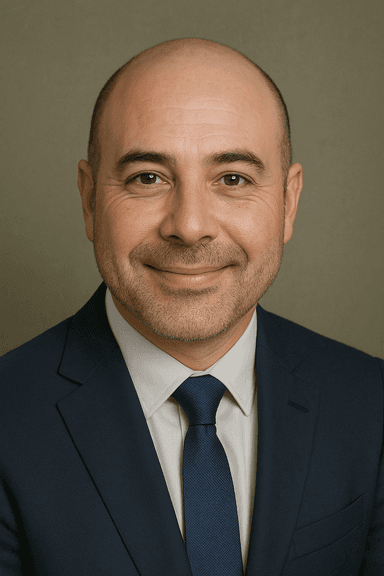
Your Nonexudative (Dry) Age-Related Macular Degeneration Specialist in Fullerton
Dr. Alexander Bonakdar is a California-licensed Optometrist (O.D.) with over 35 years of experience treating nonexudative (dry) age-related macular degeneration and complex eye conditions. A graduate of the Illinois College of Optometry, he has helped over 10,000 patients achieve and maintain clear vision.
Patient Stories from Fullerton
See why your neighbors in Fullerton trust us with their vision.
Comprehensive Exam
"Not a fan of getting my eyes checked but the receptionist and Dr. were very nice and eased my anxiety."
Comprehensive Exam
"I came back for my yearly visit and had a great experience as always."
Schedule Your Nonexudative (Dry) Age-Related Macular Degeneration Consultation
Expert diagnosis and treatment for Fullerton and Orange County residents.
Related Conditions
Nonexudative (Dry) Age-Related Macular Degeneration Treatment in Nearby Cities
Also serving nearby Orange County cities
- Nonexudative (Dry) Age-Related Macular Degeneration in Anaheim
- Nonexudative (Dry) Age-Related Macular Degeneration in Placentia
- Nonexudative (Dry) Age-Related Macular Degeneration in Brea
- Nonexudative (Dry) Age-Related Macular Degeneration in Buena Park
- Nonexudative (Dry) Age-Related Macular Degeneration in La Habra
- Nonexudative (Dry) Age-Related Macular Degeneration in Stanton
- Nonexudative (Dry) Age-Related Macular Degeneration in Yorba Linda
- Nonexudative (Dry) Age-Related Macular Degeneration in Lemon Heights